ACCREDITATION &
RECOGNITION
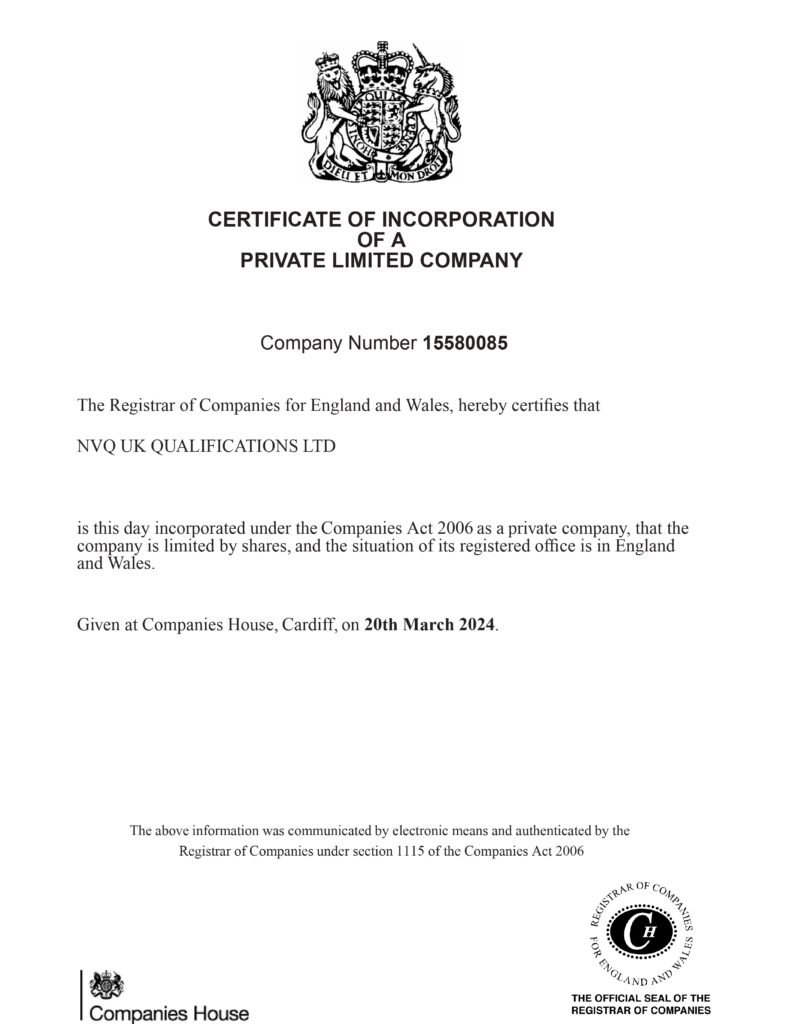
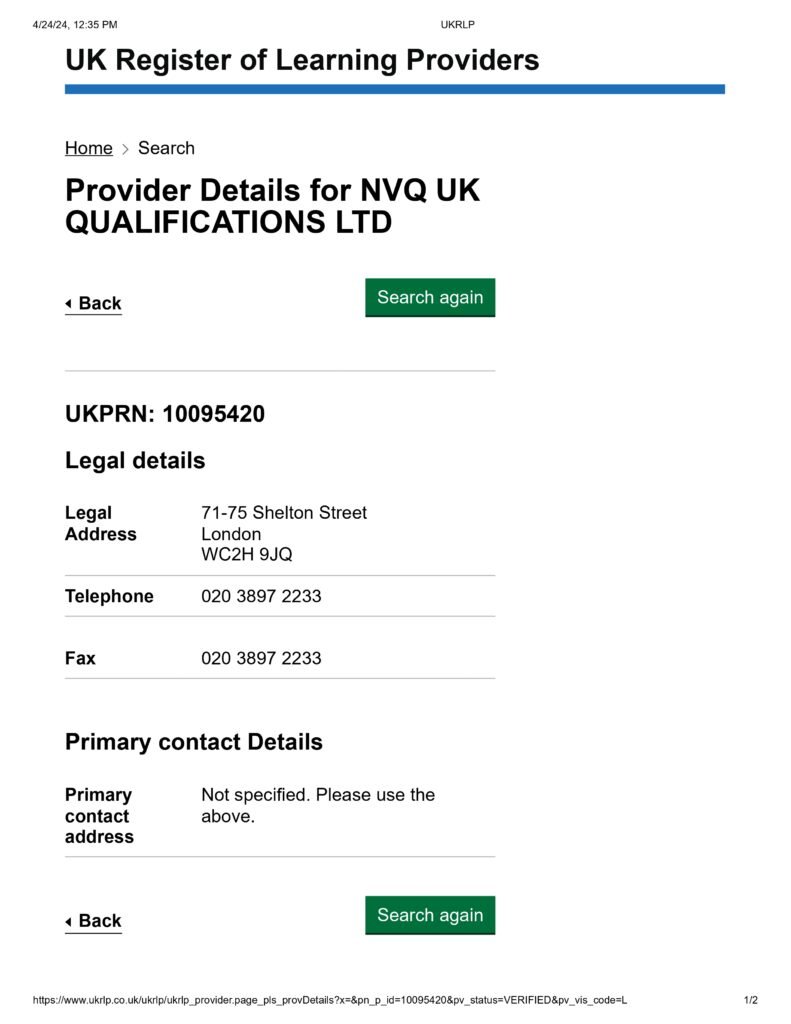
As an accredited learning provider in the United Kingdom, Learn and Work Academy holds several official registrations that demonstrate its commitment to education. The Academy is licensed as an educational institution under registration number 15580085 and is listed in the UK Register of Learning Providers with reference number 10095420.
Additionally, the Academy is registered with the Information Commissioner’s Office under reference number ZB683143, underscoring its dedication to providing a secure and reliable learning environment.
The Academy distinguishes itself through its commitment to excellence and its robust distance learning system embedded within its degree programs at the undergraduate, graduate, and doctoral levels. By embracing the highest international standards in modern e-learning technologies, the Academy ensures its students receive a cutting-edge and globally competitive education.
Unlike traditional higher education institutions constrained by government regulations, Learn and Work Academy focuses on delivering professional programs and intensive academic courses that actively develop students’ skills and advance their careers.

Accreditation Recognition: 5 Essential Checks
Accreditation recognition helps learners understand who provides their training, who awards their certificate and how to check a qualification’s status. Before choosing a programme through NVQ UK Qualifications, review the information relating to your exact course, including its awarding organisation, assessment requirements and intended progression route.
Different registrations serve different purposes. A company registration identifies a business, while a learning provider registration records provider information. Qualification regulation and awarding body approval require separate checks. Understanding these distinctions helps you compare courses and request the right evidence before enrolment.
Understanding Accreditation Recognition
The word “recognition” can describe several arrangements, including recognition by a qualifications regulator, approval from an awarding organisation or acceptance by a university. These arrangements should be explained individually so that learners understand what each one covers.
A useful accreditation recognition review considers five areas: provider identity, learning provider registration, qualification status, certificate details and acceptance for your intended purpose. The following checks provide a practical starting point.
1. Check the Provider’s Legal Identity
Start by confirming the legal name of the organisation responsible for your enrolment. Compare that name with the information on your application form, invoice, terms and conditions, and any registration documents supplied.
If a website uses a trading name, ask which legal entity operates it. Where another academy, centre or partner appears on supporting documents, request an explanation of its role in delivering, assessing or administering your programme.
You can use the Companies House search service to review a UK company’s public record. Treat this as a business identity check and request separate evidence for any educational approval claimed.
2. Understand Learning Provider Registration
The UK Register of Learning Providers, known as UKRLP, allows users to search for providers by name or UK Provider Reference Number. A matching entry can help you compare the organisation’s published identity with the details supplied during enrolment.
UKRLP registration does not represent quality assurance or accreditation of the provider’s learning provision. Therefore, a UKPRN should be considered alongside the course’s own awarding and approval information.
Visit the official UKRLP search service to check provider information. Make sure the legal name and reference number match the organisation named in your documents.
3. Verify the Specific Qualification
Accreditation recognition should be checked at qualification level. Request the full qualification title, level, awarding organisation and qualification number where applicable. Similar course titles can refer to different awards, so the precise details matter.
For qualifications presented as regulated in England or Northern Ireland, use the GOV.UK qualification checking service. You can also check the awarding organisation.
Distinguish between a regulated qualification, a professional development course and a provider-issued completion certificate. Ask which category applies to your chosen programme and what evidence supports that description.
4. Review Certification and Assessment Details
Before making a payment, ask who issues the final certificate and what you must complete to receive it. Request information about assessments, practical evidence, identity checks, submission deadlines and any additional certification charges.
Where a programme is delivered through an approved centre, request the centre name and approval reference, together with a way to confirm that approval with the awarding organisation.
You should also understand the support available during your studies. Ask about assessor feedback, resubmission arrangements, complaints procedures and appeals. Written answers make it easier to compare your options and understand your responsibilities.
5. Confirm Acceptance for Your Intended Purpose
Acceptance depends on the organisation reviewing your qualification. If you need an award for employment, professional registration, university admission or another formal application, confirm the requirements directly with the relevant decision-maker.
Provide the exact qualification title and awarding organisation when requesting confirmation. Avoid relying on a general statement that a course is “internationally recognised”, because acceptance can vary by destination and purpose.
Explore our University Progression information when considering further study. Check the receiving institution’s current admission requirements before committing to a progression route.
Questions About Accreditation Recognition?
Before enrolling, prepare a checklist covering the provider’s legal identity, qualification title, awarding organisation, assessment method, certificate issuer and intended use. Keep copies of the course information and written responses you receive.
For information about a specific programme, contact NVQ UK Qualifications. Include the course title and explain your study or career objective so that you can request the documentation relevant to your decision.